Mga kuwentong Hapones na Pre-N5 — Pagbabasa para sa ganap na nagsisimula
Ang mga kuwentong Pre-N5 ay gumagamit lamang ng mga payak na estruktura ng pangungusap, isang pangunahing bokabularyo para sa pang-araw-araw na pananatili (mga pagbati, numero, simpleng tanong) at ang pinakapayak na gramatika. Ang pinakamaiikling teksto sa aklatan — angkop na angkop para sa iyong kauna-unahang mga pagbabasa.
 Pre-N55 pahina
Papunta sa Dambana - 神社へ
Isang payapang pagbisita sa shrine para sa tahimik na ritwal at pagmumuni-muni.
 Pre-N55 pahina
Si Ken ay Pumupunta sa Kama - ケンはベッドへ
Ang kalmadong gawain ni Ken sa gabi ay humahantong sa isang payapang magandang gabi.
 Pre-N55 pahina
Pumapasok sa Paaralan si Makoto - マコトは学校へ行く
Ang umagang rutina ni Makoto ay humahantong sa kanya sa paaralan at sa kanyang naghihintay na silid-aralan.
 Pre-N55 pahina
Ang Araw ng Susô - カタツムリの日
Isang kuhol ang nag-enjoy sa isang paglalakbay sa hardin sa ulan at sa mga simpleng saya nito.
 Pre-N55 pahina
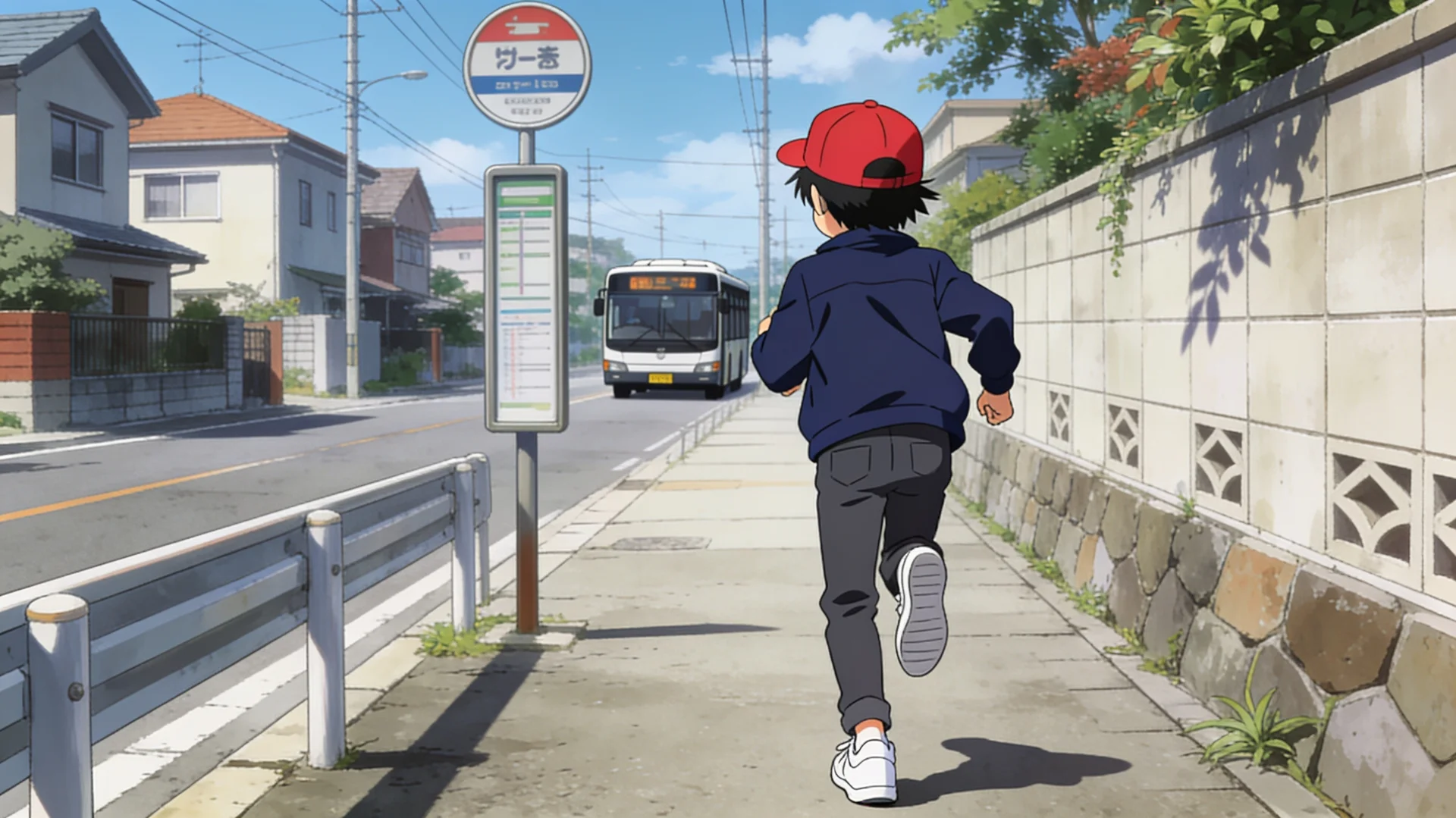
Sumakay sa Sasakyan si Ken - ケンは 乗り物に 乗ります
Naglalakbay si Ken sa kabilang bayan gamit ang bus, tren, at taxi.
 Pre-N56 pahina
Paano Pumunta - どうやって行く
Tinutuklas ni Ken ang mundo gamit ang kotse, bisikleta, bus, at iba pa.
 Pre-N55 pahina
Tanghalian ng Dalawang Magkaibigan - ふたりのひるごはん
Umupo sina Rio at Mao sa isang maliit na restawran, umaasang makakapagsalo-salo sila sa pagkain. Habang tinitingnan nila ang menu, napansin nilang wala ang paborito nilang ulam, ngunit nakakita sila ng bago na susubukan. Nang dumating ang doria, kumagat sila at natuklasang napakasarap nito.
 Pre-N55 pahina
Ang Pakikipagsapalaran ng Ibon - 鳥の冒険
Isang mausisang ibon ang nakakita at nag-uwi ng isang kumikinang na kayamanan.
 Pre-N55 pahina
Ang Paglalakbay ng Pulang Payong - 赤い傘の旅
Isang mahiwagang pulang payong ang nakakatagpo ng layunin at ligaya sa paglalakbay patungong himpapawid.
 Pre-N56 pahina
Sunny Spots - 日なたの場所
Hinahanap ni Mike ang mga pinakamainit na spot ng araw para sa perpektong araw.
 Pre-N55 pahina
Unang Matsuri - 初めての日本祭り
Sinubukan ni Mike ang yukata at street food sa kanyang unang matsuri.
 Pre-N55 pahina
Tara sa Zoo - 動物園へ行こう
Ang masaya at edukasyonal na Sabado adventure ni Yuta sa zoo.
 Pre-N55 pahina
Mga Lugar ng Trabaho - ワークプレイス
Tuklasin ang iba't ibang lugar ng trabaho at ang mga taong tumutulong sa komunidad.
Ano ang Pre-N5? Ang iyong unang hakbang sa pagbabasa ng Hapones
Ang Pre-N5 ay nasa unahan pa ng simula ng opisyal na sukatan ng JLPT. Ito ang antas para sa mga mag-aaral na katatapos lamang sa dalawang silabaryo ng Hapones (hiragana at katakana) at naghahanap ng unang tunay na pagkakadikit sa pagbabasa ng Hapones — maikli, walang presyur, at may salin sa bawat pahina.
Sa antas na ito ay maiikli ang aming mga kuwento: 100 hanggang 250 karakter na Hapones, na nahahati sa eksaktong 5 pahina. Nananatili ang bokabularyo sa pinakapayak na saligan — mga pangungusap para sa pananatili, pagbati, numero, salitang pampamilya, payak na pandiwa (kumain, pumunta, makita). Ang gramatika ay Pre-N5: payak na estruktura ng pangungusap lamang, walang masalimuot na konhugasyon, walang pinagsama-samang sugnay.
Ang halaga ng pagbabasa sa Pre-N5 ay ang ritmo. May sariling tempo ang Hapones — ang mga partikula (は, が, を), ang mga panghuling pananalita ng pangungusap (です, ます), ang paraan ng pagdapo ng mga pandiwa sa dulo ng sugnay. Ang pagbabasa ng 5 o 10 maiikling kuwento sa antas na ito ay nag-aangkla ng tempong iyon bago pa pumuno ng larawan ang gramatika sa N5.
Mga study tip para sa Pre-N5
- Magbasa nang malakas. Kapag binabasa mo nang tahimik habang binubuo mo pa ang iyong bilis, lumulukso ka sa unahan at nawawala ang bigkas. Bigkasin ang bawat salita.
- Huwag magsalin nang salita-sa-salita. Basahin ang isang buong pangungusap sa Hapones, pagkatapos ay tingnan ang bersyong Filipino. Ang pagsasaling salita-sa-salita ay nagtatanim ng maling ugali sa pagbabasa.
- Basahin ang bawat kuwento nang dalawang beses. Unang pagbabasa: unawain ang kahulugan. Ikalawang pagbabasa: pagmasdan ang mga partikula (は, が, を, に, で).
- Layunin ang 10 minuto bawat araw. Sa habang ito, katumbas iyon ng 1 hanggang 2 kuwento.
- Huwag laktawan ang mga salitang katakana. Karaniwan silang mga hiram na salita (コーヒー, テレビ, コンピューター) — madali ang kahulugan, ngunit ang silabaryo mismo ay nangangailangan ng pagsasanay.
Pagbasa ng Pre-N5 — madalas na tanong
Katatapos ko lang sa hiragana. Puwede ba akong magsimula rito?
Oo — para sa iyo eksaktong inilaan ang mga kuwentong Pre-N5. Basta kaya mong basahin ang hiragana (at sa ideal ay pati na ang katakana), puwede ka nang magsimula. Nananatili ang bokabularyo sa pinakamadalas na mga salita at napakaikli ng mga pangungusap.
Gumagamit ba ng kanji ang mga kuwentong Pre-N5?
Oo. Pareho ang densidad ng kanji sa lahat ng aming antas — ang nagbabago mula sa isang antas patungo sa susunod ay ang haba, ang masalimuot na gramatika at ang lalim ng salaysay. Ang saling Filipino sa bawat pahina ay nagpapahintulot sa iyong magbasa nang tuloy-tuloy kahit hindi mo pa nakikilala ang isang kanji.
Gaano katagal dapat manatili sa Pre-N5?
Hanggang sa maging kumportable ang pagbabasa ng maiikling pangungusap na Hapones. Karamihan ng mga mag-aaral ay gumugugol ng 2 hanggang 4 na linggo rito. Kapag huminto ka nang sadyang suriin ang bawat salita at nababasa mo na ang buong maiikling pangungusap sa isang hininga, lumipat sa JLPT N5.
Gaano kahaba ang isang kuwentong Pre-N5?
100 hanggang 250 karakter na Hapones sa eksaktong 5 pahina — humigit-kumulang 5 minuto sa unang pagbabasa, 3 minuto sa muling pagbabasa.
At pagkatapos ng Pre-N5, saan tutungo?
Sa JLPT N5. Nagbubukas ang gramatika sa mga anyong です/ます, sa mga partikulang は/が, sa mga payak na konhugasyon ng pandiwa at sa mga simpleng estruktura na may pang-uri. Bahagyang humahaba ang mga kuwento (250–400 karakter, 5 pahina pa rin) at nagsisimulang sumaklaw sa mga sitwasyon sa pang-araw-araw na buhay.
350+ kwento, native audio, tap-to-translate — nasa app
Ang libreng web library ay isang piniling slice. May 350+ unique graded stories ang Shinobi app, native audio sa bawat pahina, tap-to-translate sa bawat salita, JMDict dictionary lookups, at SRS review.