Japanische Geschichten Pre-N5 — Lesen für absolute Anfänger
Pre-N5-Geschichten verwenden ausschließlich einfache Satzstrukturen, einen überlebenswichtigen Grundwortschatz (Begrüßungen, Zahlen, einfache Fragen) und die grundlegendste Grammatik. Die kürzesten Texte der Bibliothek — ideal für deine allerersten Leseversuche.
 Pre-N55 Seiten
Zum Schrein - 神社へ
Ein friedlicher Schreinbesuch für stille Rituale und Besinnung.
 Pre-N55 Seiten
Ken geht ins Bett - ケンはベッドへ
Kens beruhigende Abendroutine führt zu einer friedlichen Gute Nacht.
 Pre-N55 Seiten
Makoto geht zur Schule - マコトは学校へ行く
Makotos Morgenroutine führt ihn zur Schule und in sein wartendes Klassenzimmer.
 Pre-N55 Seiten
Der Schneckentag - カタツムリの日
Eine Schnecke genießt ein regnerisches Gartenabenteuer und seine einfachen Freuden.
 Pre-N55 Seiten
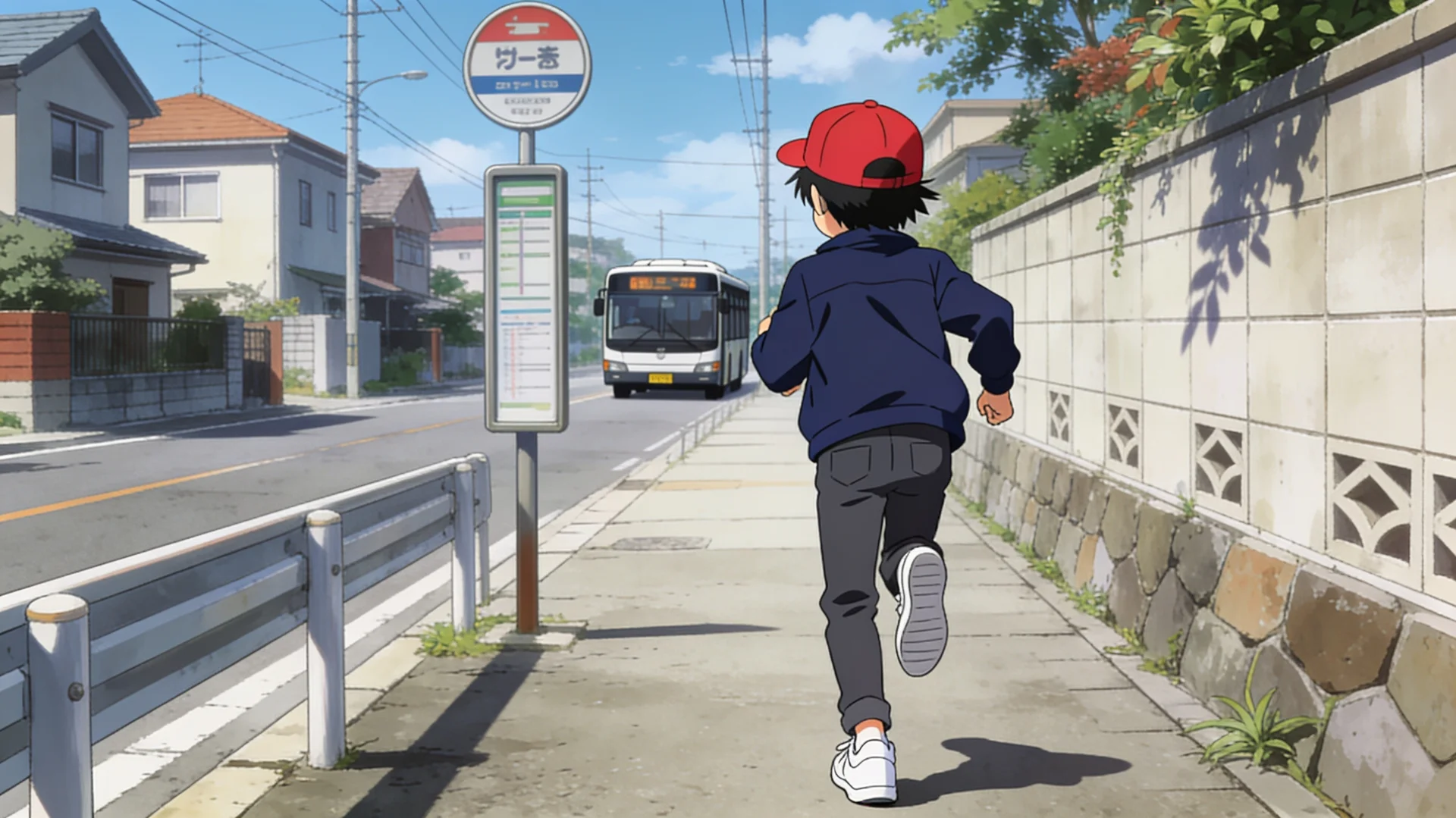
Ken nimmt den öffentlichen Nahverkehr - ケンは 乗り物に 乗ります
Ken reist mit Bus, Bahn und Taxi durch die Stadt.
 Pre-N56 Seiten
Wie man hinkommt - どうやって行く
Ken erkundet die Welt mit Auto, Fahrrad, Bus und mehr.
 Pre-N55 Seiten
Zwei Freunde beim Mittagessen - ふたりのひるごはん
Rio und Mao setzen sich in ein kleines Restaurant, in der Hoffnung, gemeinsam eine Mahlzeit zu teilen. Als sie die Speisekarte durchsehen, bemerken sie, dass ein Lieblingsgericht fehlt, aber sie finden ein neues zum Probieren. Als die Doria ankommt, nehmen sie einen Bissen und stellen fest, dass sie köstlich ist.
 Pre-N55 Seiten
Vogels Abenteuer - 鳥の冒険
Ein neugieriger Vogel findet und bringt einen glitzernden Schatz nach Hause.
 Pre-N55 Seiten
Die Reise des roten Regenschirms - 赤い傘の旅
Ein magischer roter Regenschirm findet Sinn und Freude auf einer Reise gen Himmel.
 Pre-N56 Seiten
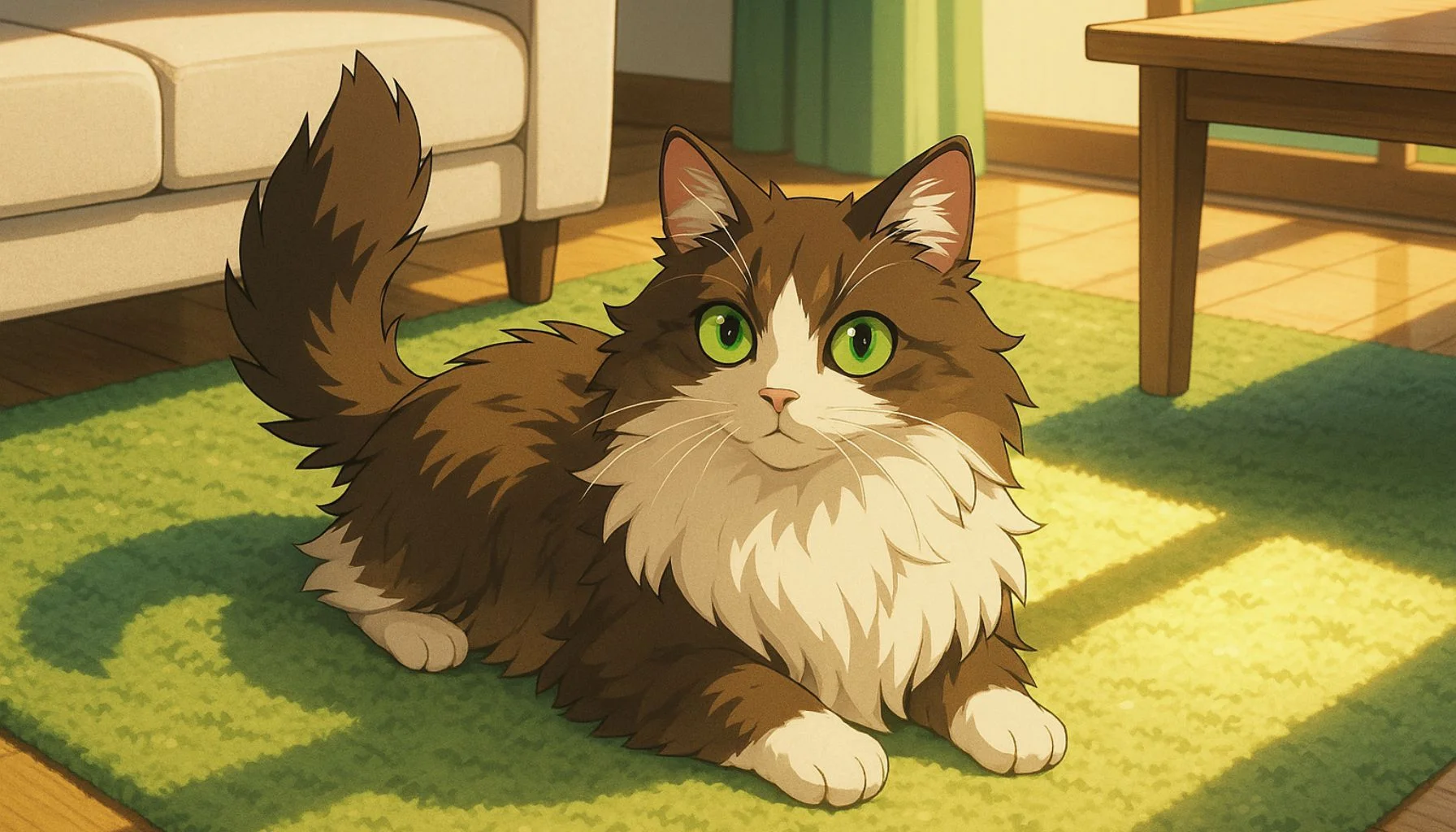
Sonnige Plätze - 日なたの場所
Mike die Katze sucht die wärmsten Sonnenflecken für einen perfekten Tag.
 Pre-N55 Seiten
Erstes Matsuri - 初めての日本祭り
Mike probiert Yukata und Street Food auf seinem ersten Matsuri.
 Pre-N55 Seiten
Lasst uns in den Zoo gehen - 動物園へ行こう
Yutas lustiges, lehrreiches Samstagsabenteuer im Zoo.
 Pre-N55 Seiten
Arbeitsplätze - ワークプレイス
Erkunde verschiedene Arbeitsplätze und die Menschen, die der Gemeinschaft helfen.
Was ist Pre-N5? Dein erster Schritt ins japanische Lesen
Pre-N5 liegt vor dem Beginn der offiziellen JLPT-Skala. Es ist die Stufe für Lernende, die gerade die beiden japanischen Silbenschriften (Hiragana und Katakana) abgeschlossen haben und einen ersten echten Kontakt mit dem Lesen des Japanischen suchen — kurz, ohne Druck, mit einer Übersetzung auf jeder Seite.
Auf dieser Stufe sind unsere Geschichten kurz: 100 bis 250 japanische Zeichen, verteilt auf genau 5 Seiten. Der Wortschatz bleibt im grundlegendsten Bereich — Überlebenssätze, Begrüßungen, Zahlen, Verwandtschaftsbegriffe, einfache Verben (essen, gehen, sehen). Die Grammatik ist Pre-N5: ausschließlich einfache Satzstrukturen, keine komplexen Konjugationen, keine verketteten Nebensätze.
Der Sinn des Lesens auf Pre-N5-Niveau liegt im Rhythmus. Das Japanische hat sein eigenes Tempo — die Partikeln (は, が, を), die Satzendungen (です, ます), die Art, wie die Verben am Ende des Satzes stehen. Wer auf dieser Stufe 5 oder 10 kurze Geschichten liest, verankert dieses Tempo, bevor die Grammatik beim N5 das Bild füllt.
Lerntipps für Pre-N5
- Lies laut. Wenn du noch an deiner Geschwindigkeit baust und still liest, springst du voraus und verlierst die Aussprache. Sprich jedes Wort aus.
- Übersetze nicht Wort für Wort. Lies einen ganzen Satz auf Japanisch und prüfe danach die deutsche Fassung. Das wörtliche Übersetzen prägt die falsche Lesegewohnheit ein.
- Lies jede Geschichte zweimal. Erstes Lesen: den Sinn erfassen. Zweites Lesen: auf die Partikeln achten (は, が, を, に, で).
- Strebe 10 Minuten pro Tag an. Bei dieser Länge sind das 1 bis 2 Geschichten.
- Überspringe die Katakana-Wörter nicht. Es sind meist Lehnwörter (コーヒー, テレビ, コンピューター) — der Sinn ist leicht, aber die Schrift selbst erfordert Übung.
Pre-N5-Lesen — häufig gefragt
Ich habe gerade die Hiragana fertig gelernt. Kann ich hier anfangen?
Ja — genau für dich sind die Pre-N5-Geschichten gedacht. Sobald du die Hiragana entziffern kannst (und idealerweise auch die Katakana), kannst du loslegen. Der Wortschatz bleibt bei den häufigsten Wörtern und die Sätze sind sehr kurz.
Verwenden die Pre-N5-Geschichten Kanji?
Ja. Die Kanji-Dichte ist auf allen unseren Stufen gleich — was sich von Stufe zu Stufe ändert, sind die Länge, die grammatische Komplexität und die erzählerische Tiefe. Die deutsche Übersetzung auf jeder Seite erlaubt dir, in einem Zug zu lesen, selbst wenn du ein Kanji noch nicht erkennst.
Wie lange sollte man auf Pre-N5 bleiben?
So lange, bis das Lesen kurzer japanischer Sätze angenehm wird. Die meisten Lernenden verbringen 2 bis 4 Wochen damit. Wenn du aufhörst, jedes Wort bewusst zu analysieren, und ganze kurze Sätze in einem Atemzug liest, wechsle zu JLPT N5.
Wie lang ist eine Pre-N5-Geschichte?
100 bis 250 japanische Zeichen auf genau 5 Seiten — etwa 5 Minuten beim ersten Lesen, 3 Minuten beim erneuten Lesen.
Und nach Pre-N5, wohin geht es?
Zu JLPT N5. Die Grammatik öffnet sich für die Formen です/ます, die Partikeln は/が, die grundlegenden Verbkonjugationen und einfache Strukturen mit Adjektiven. Die Geschichten werden etwas länger (250–400 Zeichen, weiterhin 5 Seiten) und beginnen, Alltagssituationen abzudecken.
350+ Geschichten, Native-Audio, Tap-to-Translate — in der App
Die kostenlose Web-Bibliothek ist eine kuratierte Auswahl. Die Shinobi-App hat 350+ einzigartige gradierte Geschichten, Native-Audio auf jeder Seite, Tap-to-Translate auf jedem Wort, JMDict-Wörterbuchsuche und SRS-Wiederholung.